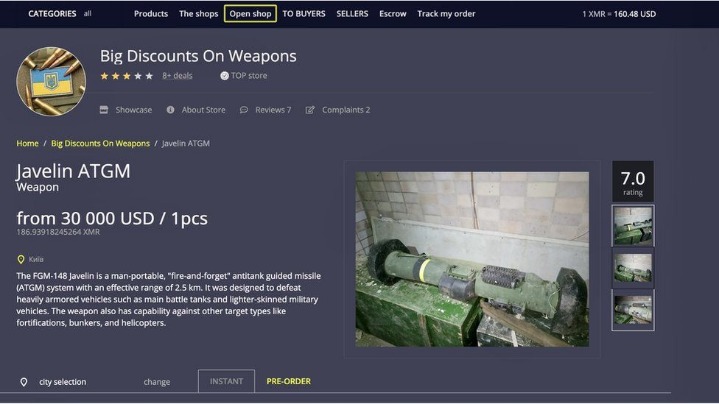
The cocorico market darknet represents a complex and often misunderstood element of the online world. As a hidden marketplace within the dark web, it offers a platform for various goods and services, some of which are legal, while others venture into the territory of illicit activities. Understanding how this market operates and the implications for users is vital for those seeking knowledge and awareness about the digital landscape.
Correlating these signals across Tor-based forums and Telegram channels provides a clearer picture of emerging threats than marketplace visibility alone. Early indicators often include sample data releases, changes in vendor behavior, sudden increases in specific listing types, or discussions about breached organizations. While the surface structure appears organized, underlying risks are high for both users and operators. Related enforcement campaigns also target broader drug networks and darknet-linked supply chains (e.g., Operation RapTOR announcements). Marketplaces focused on credentials, stealer logs, and access remain central because they map cleanly to account takeover, fraud, and ransomware staging. Large markets keep disappearing via likely exit scams, often right after ecosystem turbulence increases user inflows and wallet balances.
- It allows users to trade various digital products and services while utilizing blockchain technology.
- Over time, it grew in popularity and size, eventually becoming one of the largest French-language markets on the darknet.
- Yes, law enforcement agencies have tools to monitor and catch individuals engaging in illegal activities.
- 26% of users in North America and 17% of users in the EU access the Dark Web daily, with 3.29% of those users coming from France.
- The Nowhere Server, also known as Onion, has been restored from backup after the FH incident.
Cocorico Market Darknet
Initially emerging as a response to the growing demand for anonymous transactions, the cocorico market darknet has attracted attention for its unique offerings. Below are key aspects that define this marketplace:
How Cocorico Market Works
- Accessing the Market: To enter the cocorico market darknet, users typically need to utilize specialized software, such as Tor, which facilitates anonymous internet browsing.
- Registration Process: Users often need to create accounts using pseudonyms, enhancing their anonymity and minimizing the risk of tracking.
- Cryptocurrency Transactions: Most transactions occur using cryptocurrencies, which provide an additional layer of privacy compared to traditional payment methods.
Types of Goods and Services Offered
The offerings within the cocorico market darknet can be categorized into various sectors, including but not limited to:
- Digital Products: This includes software, e-books, and tutorials that often relate to computer programming or hacking.
- Counterfeit Goods: Items such as fake documents and imitation luxury products.
- Illicit Substances: Various drugs and narcotics are commonly traded, contributing to ethical and legal discussions surrounding addiction and public health.
- Services: Services ranging from hacking to money laundering are also offered by users specializing in these areas.

Risks and Consequences
Engaging with the cocorico market darknet presents significant risks. Users should be aware of:
- Legal Risks: Many activities on such platforms are illegal. Involvement can lead to criminal charges, fines, or imprisonment.
- Scams: The anonymity of participants means there's a high potential for fraud. Users may encounter scams that result in financial loss.
- Security Threats: Exposing one's digital identity during transactions may lead to hacking or data breaches.
Staying Safe & Informed
For those who choose to explore the cocorico market darknet, prioritizing safety is crucial. Here are some strategies:
- Always Use VPNs: A Virtual Private Network adds an additional layer of security to your online activity.
- Educate Yourself: Understanding the dangers and strategies for safe navigation can significantly reduce risks.
- Keep Software Updated: Ensuring that your devices and software are up-to-date can protect against vulnerabilities.
- Practice Discernment: Critically assess any offerings, reviews, or vendors before engaging in transactions.
FAQs about Cocorico Market Darknet
Q: Is the cocorico market legal?
A: No, many activities on the cocorico market are illegal. Engaging in such activities can lead to legal issues.
- Get free exposure report for your domain name which include markets, malwarelogs and breaches
- This article will provide an in-depth look at Cocorico Market, including its history, features, and how to access it.
- For a 2026 defensive write-up, the key point is that such venues can serve as distribution points for compromised data, facilitate fraud, and support related illicit supply chains.
- For 2026 defensive coverage, the key relevance is its role as a venue where illicit supply chains and data/fraud ecosystems can overlap.
- It is similar to an online store, except it’s not the type you’ll find with a quick Google search.
Q: How can I access the cocorico market?
A: Users typically access it through the Tor network, which masks their online identity.
Q: What should I do if I encounter a scam?
A: Report the incident to relevant authorities and avoid further engagement with fraudulent accounts.
In conclusion, the cocorico market darknet serves as a double-edged sword, presenting a mixture of opportunities and dangers. Being informed and cautious can help users navigate this complex digital environment. Educational resources, awareness, and proactive safety measures are essential for anyone considering engaging with dark web marketplaces.