The rise of the internet has dramatically changed the landscape of commerce, including the emergence of dark markets South Korea. These hidden platforms on the internet facilitate the buying and selling of goods and services, often outside the reach of law enforcement. While many may view these markets as a risky venture, understanding their operation and implications can help individuals stay informed and safe. This article aims to shed light on the functioning of dark markets in South Korea, their risks, and their relevance in the modern economy.
One defector reportedly displayed surprise on the similarity between markets in North Korea and South Korea, instead of the contrasts. Livestock stalls are a recent addition with markets in large cities being transformed into agricultural markets. In addition to the typical seasonal changes in the prices of crops, droughts in North Korea may cause severe increase in prices of foodstuffs, and harm people's ability to keep a balanced and nutritious diet. In North Korea, the songbun system heavily regulates access to public education, and people with a modest background have a difficult time to get into universities such as Kim Il Sung University. A significant growth of number of the people engaged in private business activities and related bribing was also noted. Between a half and three-quarters of North Korean people's income come from various market activities.
While hybrid models operated by traditional retailers e.g., Lotte Mart, Emart might offer in-store pickup options from a "dark" section of their physical stores, dedicated dark store operators primarily focus on optimizing their delivery capabilities. On Demand Delivery is the dominant and defining fulfillment mode for South Korean dark stores, underpinning the rapid growth of the quick commerce sector. The others category highlights the ambitious expansion of South Korean dark store operators into diverse, non-traditional retail areas. The Financial Plan for a South Korean dark store operation requires substantial upfront Capital Expenditure (CAPEX) due to the exorbitant cost of urban real estate in cities like Seoul, coupled with significant investments in cutting-edge automation technology given the country's high adoption of robotics in logistics and a large, efficient delivery fleet. In South Korea's highly competitive dark store market, a meticulous Operations Plan is crucial for delivering the promised sub 60 minute speeds and meeting high consumer expectations for quality. This market is characterized by an intense focus on rapid delivery, with leading players like Coupang, Market Kurly, and the online divisions of major retail conglomerates striving for sub-60-minute delivery times for a vast array of products, from fresh groceries and prepared meals to household essentials and even electronics.
Dark Markets South Korea
Dark markets South Korea refer to online marketplaces that operate on the dark web, a segment of the internet not indexed by traditional search engines. Transactions on these platforms typically involve anonymity, utilizing cryptocurrencies and sophisticated encryption methods to protect users' identities. The appeal of these markets lies in the items available, which range from legal goods to highly illicit items.
Operational Mechanics of Dark Markets
Dark markets operate on a set of principles that differentiate them from conventional e-commerce. Here are some operational aspects:
- Anonymity: Users employ pseudonyms and encrypt their communications to ensure safety.
- Cryptocurrencies: Digital currencies like Bitcoin are often used for transactions to maintain anonymity.
- Feedback Systems: Sellers and buyers can leave reviews, which helps build trust despite the anonymity.
- Escrow Services: Many platforms use escrow systems to hold funds until the buyer confirms receipt of the goods to avoid scams.
Types of Goods and Services
While some items in dark markets South Korea are legal, many are not. The following categories are commonly found:
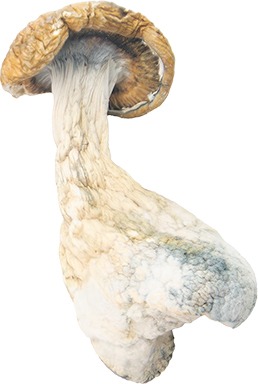
- Drugs: Illicit substances remain one of the most traded items.
- Counterfeit Goods: Fake documents and branded products can be easily accessed.
- Hacking Services: Cybercriminals offer hacking and data theft services.
- Weapons: Some markets facilitate the sale of firearms and other weapons.
Risks Associated with Dark Markets
Engaging with dark markets South Korea poses several risks:
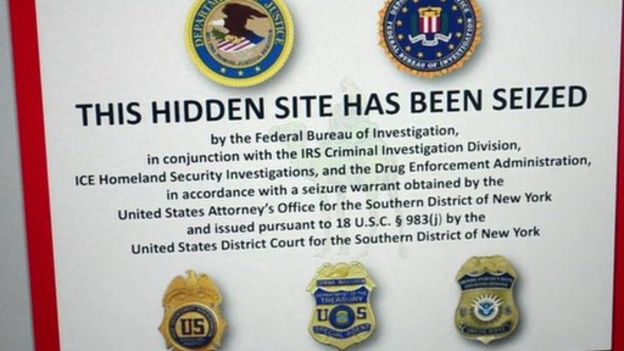
- Legal Consequences: Many activities on these platforms are illegal, leading to serious legal repercussions.
- Scams: The anonymity of the dark web allows for fraudulent schemes and scams.
- Cybersecurity Threats: Users can be vulnerable to hacking attempts or data breaches.
- Quality Control: The quality of goods may be unreliable, especially for illicit substances.
How to Stay Safe and Informed
For those who choose to explore dark markets South Korea, safety and caution are paramount. Here are some strategies to stay safe:
- Those women, in turn, sold the bottles to local bars and clubs.
- From clothes to accessories, souvenirs, electronics, tools, and more, the Seoul Folk Flea Market offers a diverse shopping experience unlike any other.
- 6Wresearch is the premier, one stop market intelligence and advisory center, known for its best in class business research and consulting activity.
- Banghakdong Dokkaebi Market is especially popular for its selection of delicious traditional side dishes, also called “banchan.” Side dishes are super big in Korean cuisine.
- At AAFES stores, cashiers are told to take note if someone buys more than three of one item, according to a store official, though common sense also plays a role in screening for possible black marketers.
- Use a VPN: A Virtual Private Network adds a layer of security by masking your IP address.
- Research Vendors: Always check vendor ratings and reviews before making any purchases.
- Limit Personal Information: Avoid sharing any identifiable information.
- Stay Updated: Follow credible news sources to remain informed about changes in the legal landscape surrounding dark markets.
Conclusion
The world of dark markets South Korea is complex and rife with both opportunity and risk. While the anonymity and variety of products may attract some users, it is crucial to approach these markets with an informed mindset and a strong sense of caution. Awareness of the inherent risks and legal implications can protect individuals from potential dangers and legal troubles.
FAQs
Q1: Are dark markets legal in South Korea?
A1: Many activities on dark markets are illegal, including the sale of illicit drugs, counterfeit goods, and hacking services.
Q2: How can I access dark markets?
A2: Accessing dark markets typically requires specific software like Tor Browser, but it's important to understand the legal and security risks involved.
Q3: What should I do if I've been scammed?
A3: Reporting the incident to law enforcement may not guarantee resolution, but it contributes to tracking illegal activities.
Q4: Can using dark markets lead to law enforcement action against me?
A4: Yes, involvement in illegal transactions can result in criminal charges, potentially leading to fines or imprisonment.