The concept of the dark net often evokes images of illicit activities and shadowy figures. However, understanding the dark net is essential for those seeking to navigate its complexities safely and responsibly. This dark net guide aims to educate readers about what the dark net entails, how to access it, and the potential risks and benefits associated with it. By informing individuals about this hidden part of the internet, we aim to foster a better understanding of online safety and privacy.
The dark web’s dual nature—shielding the vulnerable while empowering bad actors—makes understanding its structure essential for anyone concerned about digital privacy and security. The dark web is a deliberately hidden subset of the deep web that requires special software—most commonly the Tor Browser—to access. The pages exist on standard servers, but their privacy controls prevent public indexing, keeping sensitive data out of search results. Corporate intranets, subscription databases, academic journals and your personal cloud storage all reside here.
Just like the name implies, it wraps your credentials in more than one layer of encryption, like an onion. As such, the three officials who got in touch with the mail can’t tell where it’s been or the next place it’s being sent to. You wrap the letter with up to 3 or 4 envelopes so that no one knows the content or sees the letter.
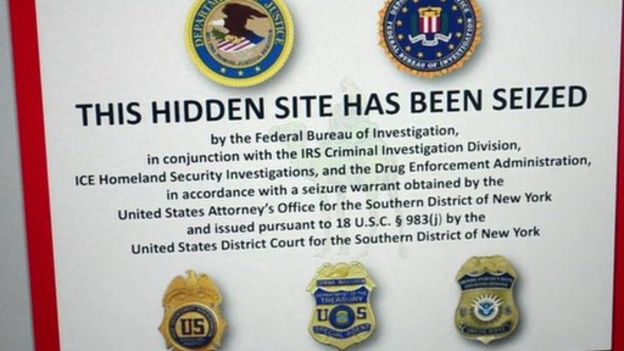
- Law enforcement agencies monitor dark web spaces to investigate serious crimes, and participation in illegal activities can lead to severe consequences.
- The easiest way to access Tor is through a special browser known as the Tor Browser.
- The insights include how the dark web works and true stories of its dangers and benefits.
- The dark web is a subset of the deep web that is intentionally hidden, requiring a specific browser—Tor—to access, as explained below.
- These markets are often visible via links on the Dark Web that are invisible via search engine engines.
- Combining such monitoring with strong authentication, network segmentation, and robust backup strategies helps reduce the damage when incidents occur.
Dark Net Guide
Companies of all sizes hire cybersecurity professionals across a variety of industries, including e-commerce, finance, healthcare, technology, and government. Each institution determines the number of credits recognized by completing this content that may count towards degree requirements, considering any existing credits you may have. When you complete this Professional Certificate, you may be able to have your learning recognized for credit if you are admitted and enroll in one of the following online degree programs.¹ Additionally, each course includes portfolio activities through which you’ll showcase examples of cybersecurity skills that you can share with potential employers. This program includes 170 hours of instruction and hundreds of practice-based assessments and activities that simulate real-world cybersecurity scenarios that are critical for success in the workplace. The Google Cybersecurity Certificate helps prepare you for the CompTIA Security+ exam, the industry leading certification for cybersecurity roles.
The dark net is a segment of the internet that is not indexed by traditional search engines. It exists within the deep web and requires specific software, configurations, or authorization to access. Most commonly, users rely on the Tor browser to navigate this hidden territory securely and anonymously.
What Is the Tor Network?
Tor, short for The Onion Router, is an anonymity network that allows users to browse the internet without revealing their identity. When accessing the dark net, the Tor browser encrypts user data and routes it through multiple nodes, making it extremely difficult to trace back to the original source. While Tor is often associated with illegal activities, it also serves legitimate purposes such as protecting the privacy of whistleblowers, activists, and journalists in oppressive regimes.
How to Access the Dark Net Safely
Accessing the dark net safely involves several important steps:
- Use a Reliable VPN: A Virtual Private Network (VPN) adds an extra layer of security by masking your IP address and encrypting your internet connection.
- Download the Tor Browser: Make sure to download the official Tor browser from the Tor Project's website to avoid malicious copies.
- Keep Software Updated: Regular updates for your Tor browser and any additional security software are crucial for protecting against vulnerabilities.
- Stay Anonymous: Avoid sharing personal information that could identify you while browsing the dark net.
Types of Content on the Dark Net
The dark net hosts a variety of content, from the benign to the illegal. Some common categories include:
- Forums and Communities: Many forums provide support for various topics such as mental health, privacy advocacy, and cybersecurity.
- Marketplaces: Some marketplaces facilitate the sale of illegal goods and services, but others focus on legitimate products.
- Whistleblowing Platforms: Websites like SecureDrop allow whistleblowers to submit confidential information while maintaining their anonymity.
Legal and Ethical Considerations
While the dark net may provide a platform for free speech and privacy, it is crucial to recognize the legal and ethical implications of its use. Engaging in illegal activities can lead to serious consequences and undermine the positive aspects of the dark net community.
Final Thoughts
This dark net guide serves as an introduction to a complex and often misunderstood part of the internet. By understanding how it works, individuals can make informed decisions about their online activities, prioritize personal safety, and respect the legal boundaries of the digital world. Knowledge is power, and being informed is the first step toward navigating the dark net responsibly.