
This includes marketplaces that sell drugs, weapons, illegal documents, and other illegal goods. These access points are pages that require users to provide their information or login pages for platforms like e-commerce sites or online banking. This includes private and enterprise sites that are either gated or pay-walled for data access.
The world of the internet is vast and multifaceted, revealing layers that go beyond the surface web commonly accessed by everyday users. One of the more mysterious and controversial layers is the adresse onion black market, where anonymity reigns and illicit goods and services are exchanged. Understanding this hidden segment of the internet, including what it is, how it operates, and its implications for users, is crucial for anyone wanting to navigate the digital landscape safely.
The return of BreachForums on the dark web, along with plans to restore its clearnet domains, may be seen as good news within cybercrime circles, but it raises serious questions. Just a couple of days ago, the Russian-language cybercrime platform XSS.IS was seized following the arrest of its suspected administrator in Ukraine. Less than 24 hours ago, in an operation called “Operation Checkmate,” authorities seized the infrastructure of the BlackSuit ransomware group, including two of its .onion domains. According to the statement, IntelBroker never had administrative access to the forum. “N/A” also denied ever giving admin access to IntelBroker, claiming it was part of a strategy to divert law enforcement’s attention away from the original owners. However, in June 2025, authorities claimed to have arrested members of ShinyHunters, along with IntelBroker, another active member who had also served as the group’s administrator.
Adresse Onion Black Market
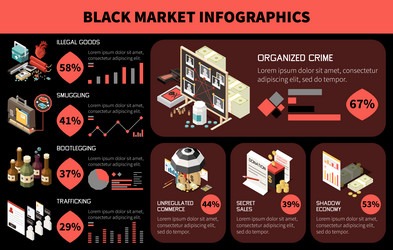
At its core, the adresse onion black market refers to websites that utilize the Tor network to facilitate anonymous transactions. These sites are often inaccessible from standard web browsers, requiring specific software to access them. Here’s a closer look at what this entails:
What is the Tor Network?
- Tor stands for "The Onion Router," designed to protect user privacy and anonymity online.
- It routes internet traffic through a series of volunteer-operated servers (nodes), making it difficult to trace a user's location or online activity.
- The network hosts websites ending in the .onion domain, which are not indexed by standard search engines.
Common Offerings on the Black Market
Within the adresse onion black market, a variety of goods and services can be found, including:
- Illicit Drugs: A significant portion of transactions involves illegal drugs ranging from cannabis to more dangerous substances.
- Stolen Data: Credit card information, personal identification, and login credentials can be found for sale.
- Weapons: There are marketplaces dedicated to the sale of firearms and other weaponry.
- Hacking Services: Some vendors offer services to hack individuals or businesses for a fee.
- Counterfeit Goods: This includes fake currencies, documents, and other merchandise.
How to Access the Adresse Onion Black Market
Accessing the adresse onion black market requires caution and an understanding of the risks involved. Here are steps typically taken to navigate this space:
- Download and install the Tor Browser, which will allow access to .onion sites.
- Learn about the security protocols to protect personal information. Utilize VPNs and ensure your antivirus software is up to date.
- Research and identify reliable directories or forums that list adresse onion black market sites, as many are transient and can disappear suddenly.
- Exercise caution in transactions, using cryptocurrencies to maintain anonymity.
- So if the community flags something as illegal or malicious, DarkSearch will try to exclude it.
- This repository and its contributors are not liable for any misuse of the provided information.
- Founded in 2012, it stores snapshots of websites, making it possible to “go back in time” and see what websites used to look like and what information they contained.
- Overall, DarkWebLinks and similar directories are like guidebooks for the dark web.
- However, some significant security risks still remain because the dark web is not regulated.
- And whenever you go online, especially when visiting unfamiliar sites, use a VPN for an additional layer of privacy and security.
Risks Associated with the Black Market
Engaging in the adresse onion black market can expose individuals to various risks:
- Legal repercussions: Many activities are illegal, which can lead to criminal charges.
- Scams and Fraud: Many vendors are untrustworthy, and users can easily be defrauded.
- Security Threats: Visiting these sites can expose users to malware or hacking attempts.
FAQs
Is it safe to browse the Black Market?
No, browsing the black market carries significant risks, including legal issues and the potential for scams.
What should I do if I encounter illegal activity?
It’s advisable to report illegal activities to the appropriate authorities rather than participating.
Can you be traced while using Tor?
While Tor provides a layer of anonymity, it is not foolproof. Law enforcement agencies can still potentially trace activities back to users.
- Use dark web monitoring that continuously scans markets and forums for your domains and credentials.
- Simplex offers innovative solutions for secure, 100% fraudless transactions, enabling you to focus on what you do best while allowing your users to buy crypto instantly.
- Pastebins are text sharing services, useful for sending and sharing large snippets of code or text.
- Visiting onion sites on older Tor versions can needlessly expose you to added risks.
Understanding the adresse onion black market is essential, not just for awareness but also for making informed decisions about internet safety and legality. As technology evolves, staying educated about these tools and their implications can help individuals protect themselves and navigate the complex digital realm effectively.