Transactions typically use Bitcoin for payment, sometimes combined with tumblers for added anonymity and PGP to secure communications between buyers and vendors from being stored on the site itself. A further PIN may be required to perform transactions, better protecting users against login credential compromise. After discovering the location of a market, a user must register on the site, sometimes with a referral link, after which they can browse listings.
The digital landscape has witnessed a transformational shift in how goods and services are exchanged. Dark markets Switzerland represent a complex facet of this phenomenon, operating within a clandestine environment that not many understand. While the allure of anonymity and unregulated trade can be appealing, it is imperative that individuals are informed about the realities and risks associated with these platforms. This article delves into the workings of dark markets in Switzerland, exploring their implications, challenges, and the importance of awareness.
Dark Markets Switzerland
Dark markets, often referred to as dark web marketplaces, are platforms that facilitate the buying and selling of goods and services, including those that may be illegal or illicit. While these markets exist globally, their presence in Switzerland raises important questions about security, legality, and personal safety.
Conversely, to date there has been only one murder of a prostituted person by a pimp or john in Norway, and none in the other seven countries that have criminalized paying for sex. The women were kept under lock and key and forced to service numerous sex buyers to pay off enormous debts to the pimps who had transported them from their home country. Switzerland legalized its sex trade almost 80 years ago—yet another piece of evidence that normalizing prostitution helps no one except pimps and other exploiters. As in other countries with legal brothels, the illegal side of prostitution does not diminish with legalization. The Swiss sex trade reaps an estimated 3.5 billion Swiss francs ($3.5 billion) in profits per year.
Understanding Dark Markets
At their core, dark markets operate on the following principles:
- Anonymity: Users of dark markets often take significant measures to conceal their identity, utilizing technologies like VPNs and Tor browsers.
- Cryptocurrency Transactions: Payments on these platforms are typically made using cryptocurrencies, further enhancing anonymity and making it harder for authorities to trace transactions.
- Unregulated Environment: Unlike traditional marketplaces, dark markets lack regulation, making them hotspots for illegal goods and services.
Types of Goods and Services Available
- This is also reflected in a study, according to which the distribution of stolen data increased elevenfold between 2015 and 2021.
- There are also significant levels of violence committed against the women by pimps and johns.
- Known for its robust escrow security and diverse offerings, Abacus is a top choice for 2025.
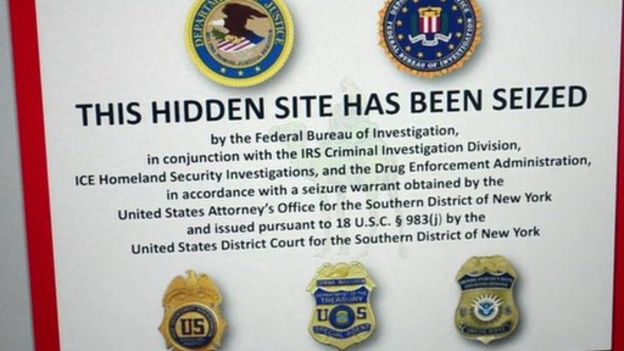
- A major policing operation has arrested hundreds of vendors and customers that were using a previously seized dark web marketplace to buy and sell illicit goods.
- By comparison, 18 percent of nonprostituted women suffer psychiatric ailments.
In Switzerland, dark markets may feature a range of products, including:
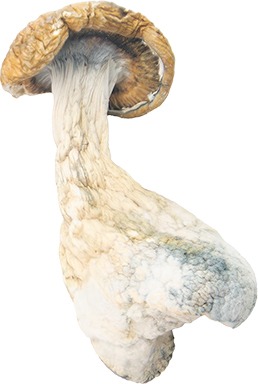
- Illegal Drugs: A significant portion of transactions revolves around the sale of controlled substances, which poses serious legal repercussions.
- Stolen Data: Personal data, including credit card information and identity theft resources, may be traded.
- Weapons and Counterfeit Goods: Some markets may also offer firearms or fake merchandise, which are illegal and dangerous.

Risks and Consequences
Engaging with dark markets Switzerland carries multiple risks:
- Legal Risks: Purchasing or selling illegal items can lead to severe legal consequences, including fines and imprisonment.
- Scams and Fraud: Many transactions can be fraudulent, resulting in loss of money without receiving any goods or services.
- Cybersecurity Threats: Accessing dark markets can expose users to malware and hacking attempts that compromise personal information.
Safety and Awareness
To mitigate risks associated with dark markets, consider the following safety measures:
- Stay Informed: Educate yourself about the dangers of dark markets and the legal implications of engaging with them.
- Use Strong Security Practices: Always use strong, unique passwords and enable two-factor authentication when possible.
- Report Illegal Activities: If you encounter suspicious activities, report them to local authorities to contribute to public safety.
Frequently Asked Questions
- Are dark markets safe to use?
- While some users believe dark markets offer safe anonymity, they can expose individuals to significant legal and security risks.
- What types of items are typically sold in dark markets?
- Items often include illegal drugs, stolen data, weapons, and counterfeit goods.
- Can I get caught by law enforcement for visiting a dark market?
- Yes, authorities actively monitor dark markets, and visiting or engaging in transactions can lead to legal repercussions.
In conclusion, while dark markets Switzerland might seem enticing due to the variety of goods offered and the promise of anonymity, the associated risks are significant. Awareness and education can empower individuals to make informed decisions and avoid dangerous encounters in the digital realm. Stay safe and informed to protect yourself in an ever-evolving online landscape.