In the rapidly evolving world of digital currencies, bitcoins have emerged as a leading cryptocurrency, gaining prominence not only in mainstream financial transactions but also on the fringes of the internet. One of the most discussed aspects of bitcoins is their use in darknet markets—hidden platforms that operate outside traditional legal frameworks. This article explores the intricate relationship between bitcoins and these anonymous online marketplaces, shedding light on their operational mechanisms and implications.
Regulatory countermeasures, including blockchain analytics and the FATF’s Travel Rule, aim to trace illicit flows. These methods exploit gaps in compliance frameworks, complicating efforts to track and prevent financial crimes. The methods take advantage of the pseudonymous nature of cryptocurrencies and evolve constantly to remain one step ahead of regulatory monitoring and blockchain analytics. Nevertheless, finding the perfect balance between financial secrecy and regulatory needs is a future challenge for digital finance.
Bitcoins and Darknet Markets
However, CoinDesk debunked that theory, explaining that Saylor won't be forced to sell his bitcoin stash, given none of his coins are pledged as collateral. These liquidations occur when traders borrow money to bet that the price will rise; once the price hits a certain "trap door," exchanges automatically sell their holdings to repay the debt. According to data from Coinglass, over $850 million in bullish bets (long positions) were wiped out in a matter of hours on Saturday when prices started to crumble, eventually adding up to nearly $2.5 billion.
Bitcoins, a decentralized form of currency, facilitate peer-to-peer transactions without the need for intermediaries like banks. This anonymity appeals to many users, especially those who wish to operate outside government regulation. Darknet markets, which require specific software such as Tor to access, provide a space for the buying and selling of goods and services that are often illegal, ranging from illicit drugs to stolen data.
The Appeal of Anonymity
For many users, the allure of darknet markets lies in the promise of privacy. By using bitcoins for transactions, buyers and sellers can maintain a significant level of anonymity, as transactions do not require personal information. This anonymity can protect individuals from legal repercussions, but it also raises ethical questions about the responsibilities of those who engage in such trade.
How Transactions Work
In a typical darknet marketplace transaction, a buyer will select a product and use bitcoins to pay for it. The process usually involves the following steps:
- Selecting a Marketplace: Users must access a specific darknet site, often requiring a special browser like Tor.
- Creating an Account: Users may create accounts using pseudonyms for added privacy.
- Purchasing Bitcoin: Before completing a transaction, buyers need to acquire bitcoins, which can be purchased through various exchanges.
- Making a Purchase: Using bitcoins, transactions are made through escrow services, protecting both the seller and buyer until the product is delivered.
Risks Involved
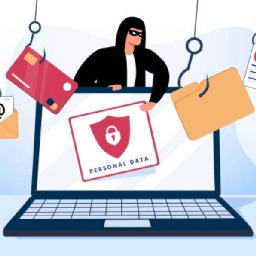
While the allure of darknet markets can be strong, it’s essential to recognize the inherent risks. Buyers may face potential scams, substandard products, or even legal issues if caught engaging in illegal activities. Furthermore, the use of bitcoins can sometimes attract cybercriminals looking to exploit naive users. It is crucial for individuals to conduct thorough research and remain cautious when navigating these digital spaces.
- The downturn in cryptocurrencies has coincided with stress in other markets like precious metals, tech sell-offs, and losses in equities.
- Early Akira payment flows can be grouped by likely “affiliate” based on consistent on-chain behaviors, including the reuse of intermediary addresses, wallet clusters receiving funds from multiple victim payments, shared cash-out points, and other observable transactional patterns.
- Such groups include xDedic, hackforum, Trojanforge, Mazafaka, dark0de and the TheRealDeal darknet market.
- Recent activity suggests isolated deviations from Akira’s current established laundering pattern, with victim funds first moved through cross-chain swaps before being deposited in full into Tornado Cash.
- If dead-drops were to be employed by Western drug markets, this could result in similar risks — such as drugs in public places or violence regularly used as an enforcement mechanism within drug vendor networks.
Future of Bitcoins and Darknet Markets
The relationship between bitcoins and darknet markets continues to evolve. Law enforcement agencies are increasingly focusing on these marketplaces, aiming to disrupt illegal activities. Additionally, as mainstream adoption of cryptocurrencies grows, there may be increased scrutiny on their use in illicit transactions. It raises questions about the future of anonymity in finance and whether darknet markets can continue to thrive in an escalating digital landscape.
In conclusion, understanding the dynamics of bitcoins and darknet markets is vital for anyone interested in the digital economy. While offering privacy and alternative transaction methods, they also come with significant risks and ethical considerations. As these aspects unfold, staying informed is key to navigating the complexities of digital currency and its impact on society.