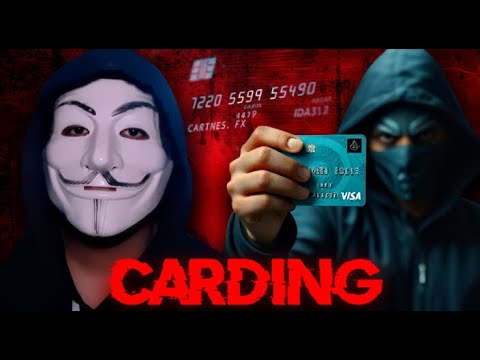
In today's digital age, understanding the undercurrents of online security is crucial for protecting oneself from cybercrime. One of the darker elements of the internet is the practice known as carding, which finds its roots primarily in the dark web. This article delves into what carding entails, its implications, and ways to safeguard personal information from such illicit activities.
¹ The score you receive with Aura is provided for educational purposes to help you understand your credit. The fraudulent account was immediately closed and Tammy helped me become more familiar with even more services offered by AURA. When Tammy at AURA got all the information from me she called the creditor and the 3 of us discussed the situation in depth. The upfront pricing is refreshing, it is simple to use, and Aura even includes a password manager, VPN, and antivirus to make its security solution an even more compelling deal.” “Aura has a neat interface to monitor essential financial vulnerabilities, such as bank accounts, and identity theft records.
It’s been around for many years and helps users navigate the dark web by curating links to various resources. The Hidden Wiki is a longstanding directory of dark web sites that offers a way to browse onion services. Concerns about how Meta treats user data have led many people to delete their Facebook profiles or at least limit their social media presence.
A DDoS attack (distributed denial of service) is a type of cyber attack that disrupts a website or online service and makes it inaccessible for legitimate users. The data is generated from the collection and analysis of information from publicly available online sources, and data broker sites provide it to companies for different purposes, including targeted advertising, fraud prevention and research. Credit card monitoring is a service that tracks credit card activity and user behavior to identify possible identity theft and fraud.
Carding Dark Web
Carding refers to the fraudulent use of stolen credit card information to make purchases or transfer funds without the cardholder's consent. This practice is prevalent on the dark web, where hackers and cybercriminals buy and sell stolen credit card data, often at a fraction of its face value. Understanding these activities is essential in order to recognize potential threats and learn how to protect oneself from becoming a victim.
How Carding Works
- Considering the diversity of topics in underground forums and chat channels, including the coverage of more niche topics such as “Passwords” or “VPNs,” the discourse related to CTI on these platforms appears to be more detailed compared to darknet websites.
- The scheme affected 177 victims, compromised 200+ cards, and involved estimated losses exceeding €30,000 (approximately $32K).
- Carding is a type of scam that begins with cyber criminals obtaining payment-card details in various ways.
- AI platforms such as IBM Safer Payments and Feedzai leverage advanced analytics, machine learning, and predictive modeling to identify fraudulent transactions before they are completed.
- This type of attack, also known as credit card stuffing, falls under the larger category of automated transaction abuse.
- We implement a dictionary-based approach for the preliminary filtering of CTI-related data items (following 39, 36, 18).
At its core, carding involves several key steps:
- Data Theft: Cybercriminals obtain credit card information through various means, such as phishing, data breaches, or skimming devices.
- Data Trafficking: Once obtained, this information is sold on the dark web in forums or marketplaces specifically designed for these transactions.
- Transaction Execution: Finally, criminals use the stolen data to make unauthorized purchases or even sell these goods for profit.
The Role of the Dark Web
The dark web is a significant player in the carding ecosystem. Unlike the surface web, where general information and services are available, the dark web requires specific software to access, often involving anonymity tools like Tor. This layer of anonymity provides a safe haven for those engaged in illegal activities, allowing them to trade in stolen information with less risk of detection.
Consequences of Carding
The impacts of carding extend beyond individual victims; they can affect businesses, leading to financial losses and damage to reputation. It is not just a matter of financial theft; consumers may face identity theft, resulting in long-term effects on credit scores and emotional stress. The ripple effect can lead to stricter security measures in financial institutions and increased scrutiny on online transactions.
How to Protect Yourself
Given the rise of carding on the dark web, it is essential for individuals to take proactive steps toward protecting their financial information:

- Monitor Financial Statements: Regularly review bank and credit card statements for any unauthorized transactions.
- Utilize Strong Passwords: Create unique passwords for each account and change them regularly to bolster security.
- Enable Two-Factor Authentication: This extra security layer can help prevent unauthorized access to accounts.
- Use Credit Over Debit: Credit cards often offer more fraud protection compared to debit cards.
Conclusion
Understanding the complexities of carding and its associations with the dark web is vital for anyone navigating today's digital landscape. Awareness of these fraudulent practices helps individuals safeguard their personal information and financial assets. By taking preventative measures and remaining vigilant, we can combat the threat posed by carding and other cyber crimes effectively.