
In fact, several businesses can use that service to get rid of competitors, or individuals can use it to gain access to personal information about someone. In fact, according to a study that was done in 2020, over 57% of the websites found on the Tor network contained illegal content. Therefore, given the nature of anonymity and privacy of the dark web, several stores keep on emerging in the dark despite a continuous crackdown on several others.
The internet is a vast landscape, hosting a variety of platforms for commerce and communication. Among these platforms exists a hidden realm known as the dark web, where anonymity reigns. Within this realm, dark market links provide access to a variety of goods and services, some of which can be legal, while others may pose significant risks. Understanding how these markets operate can inform safer internet practices and enhance personal security.
The primary method of access is through its official .onion address, which is designed to provide encrypted and anonymous connectivity through the Tor network. These stores offer a level of variety and specificity that is often unparalleled, catering to diverse consumer demands with detailed product descriptions and user feedback systems. The selection of goods available is extensive, with a significant portion of the economy centered around darknet drug stores.
Tor browser and Tor-accessible sites are widely used among the darknet users and can be identified by the domain ".onion". Law enforcement agencies actively monitor these markets and can track users despite anonymity measures. Dark markets, on the other hand, are platforms within darknets where illicit transactions occur. Although some of these markets prohibit certain extreme content such as violence or exploitation, most operate with very few rules beyond ensuring the security and anonymity of their users.
Dark Market Link
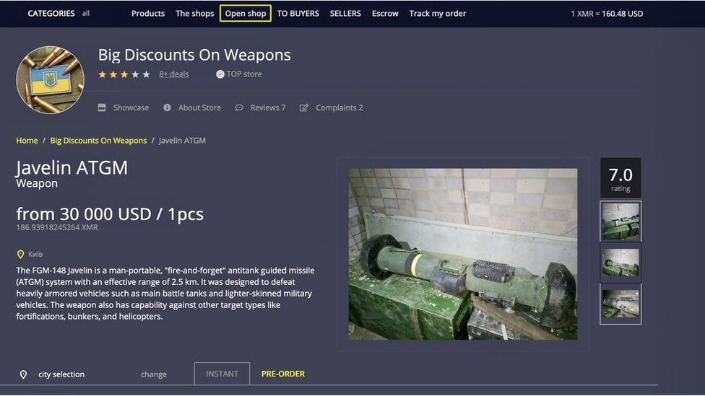
Dark market links are URLs that direct users to marketplaces on the dark web where illicit goods and services are bought and sold. These markets operate similarly to traditional e-commerce sites, but they often require specific software, such as Tor, to access. Here’s how they work:
How Dark Markets Operate
- Anonymity: Users often seek anonymity, which drives the use of special tools to obscure their identity.
- Cryptocurrency transactions: Most transactions occur in cryptocurrencies, making financial tracking difficult.
- User ratings: Similar to eBay or Amazon, users can leave feedback, helping to build seller reputations.
Common Items Sold on Dark Markets
While many items may be sold on these platforms, they can broadly be categorized into the following:
- Drugs: The most notorious category, often including a wide variety of substances.
- Stolen data: Personal information, credit card numbers, and hacking services.
- Counterfeit goods: Items that mimic popular brands at a lower price.
Risks Associated with Dark Markets
Engaging with dark markets comes with significant risks, including:
- Encrypted storage – Full disk encryption with secure key management
- Law enforcement regularly shuts down these markets, but new ones continuously emerge.
- Cybercriminals use these platforms to traffic in stolen data, execute targeted ransomware attacks, and collaborate on advanced hacking techniques.
- Each of these “bots” represents a compromised device, and prices for access range from $3 to $10, depending on the quality and freshness of the data.However, it works by invitation only and is accessed through several mirrors on the Tor network.
- Provides full, unrestricted access to onion sites
- Legal consequences: Purchasing illegal items can lead to arrest and prosecution.
- Fraud: Many sellers may scam buyers, providing false information or products that do not match their descriptions.
- Security vulnerabilities: Using these platforms can expose users to malware and hacking attempts.
Frequently Asked Questions (FAQs)
1. Are all dark markets illegal?
No, not all dark markets facilitate illegal activities. Some may offer privacy-focused services or sell legal goods, but the majority are associated with illicit transactions.
2. How can I protect myself when browsing the dark web?
To enhance your safety, consider the following tips:
- Use reliable security software.
- Access the dark web using trusted networks.
- Do not disclose personal information.
3. Can law enforcement track dark market activities?
Yes, law enforcement agencies have become increasingly skilled at tracking activities on the dark web, using various techniques to identify and apprehend illegal operators and users.
Understanding the functionality and consequences of dark market links is crucial for navigating the complexities of the internet. By staying informed, users can make safer choices and potentially avoid dangerous pitfalls associated with these hidden marketplaces.