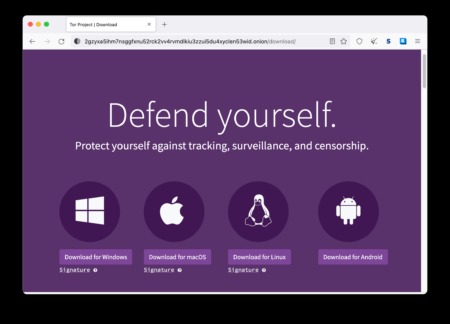
The dark web, often portrayed in popular media as a haven for illegal activity, is actually a complex subset of the internet that encompasses both legal and illegal activities. Understanding how to navigate this hidden part of the web safely and effectively is crucial for those who wish to explore it for various legitimate purposes, including privacy-focused endeavors, research, and education. One of the essential tools for accessing the dark web is a specialized browser for dark web, which allows users to connect to websites that are not indexed by traditional search engines.
And while speed is great, security should also be a high priority. The best web browser should be fast and clean to give you the best browsing experience. Enter your zip code below to find a plan that can better handle your internet speed needs. Your web browser may not be making your internet connection feel as slow as snails. We spent many hours comparing the best web browsers in terms of speed using a handful of tests on Windows and Mac. You can perform a search within the address bar, group your browser tabs, and more.
They value anonymity and privacy and seek to filter out unsafe, abusive, or malware riddled websites while also providing useful search capabilities. This network is fully encrypted, protecting traffic comings and goings, contents, and other such data from observers. Unlike the surface web, which we access daily through browsers like Chrome and Firefox, the dark web requires specific browsers to maintain user anonymity and ensure secure access. Dark web browsers make this possible, allowing users to explore a part of the internet that isn’t indexed by traditional search engines. You will be connected to the Tor network, and then you can open onion websites and obfuscate your network activity. It offers access to unique websites known as “eepsites” (which end in .i2p) and supports anonymous messaging services.
Browser For Dark Web
To access the dark web, standard web browsers like Chrome or Firefox won't suffice. Instead, users need specific browsers designed with anonymity and security in mind. Below are some popular options:
1. Tor Browser
Tor (The Onion Router) is the most widely used browser for dark web access. It encrypts users' internet traffic and routes it through a series of volunteer-operated servers, helping to conceal their location and activity.
- Anonymity: Hides user identity and browsing habits.
- Accessibility: Allows access to .onion sites, which are not accessible via standard browsers.
- Privacy: Blocks ads and trackers that can compromise security.
- To do the same, one would need a VPN set up along with the Tor to be completely anonymous.
- Bookmark verified addresses rather than searching each time.
- Many people in countries with surveillance or Internet censorship rely on the dark web browsers for secure communication.
- A VPN hides your internet activity, making it harder for your connection requests to be traced back to you.
- Created by anonymous activists in 2019, it focuses on anonymity without tracking users.
2. I2P (Invisible Internet Project)
I2P is another option for accessing the dark web, focusing on encrypted peer-to-peer communication. It enables users to host websites on their own systems, enhancing privacy.
- Decentralization: Supports anonymous file sharing and communication.
- Community-driven: Users help maintain the network, enhancing resilience.
- Unique sites: Hosts its own .i2p domains that cannot be accessed via traditional web browsers.
3. Freenet
Freenet prioritizes censorship-resistant publishing and sharing. It is designed to allow freedom of expression in oppressive regimes.
- Strong freedom of speech focus: Promotes the ability to publish and share content without censorship.
- Anonymous data storage: Users contribute storage space, enhancing the network's resilience and reach.
- Diverse content: Allows for various types of content sharing, including blogs and forums.
Safety Tips When Using a Browser for Dark Web
Venturing into the dark web requires caution. Here are essential tips to maintain safety and security:
- Use a VPN: Enhance privacy by combining a VPN with your dark web browser for double protection.
- Enable security settings: Adjust the privacy settings on your dark web browser for increased security.
- Be wary of links: Avoid clicking on suspicious links to reduce the risk of exposure to harmful content.
- Never share personal information: Protect your identity by keeping personal information off the dark web.
FAQs about Using a Browser for Dark Web
What is the dark web?
The dark web is a part of the internet that requires special software to access, often associated with anonymous browsing. It encompasses both legal and illegal activities.
Is accessing the dark web illegal?
Accessing the dark web itself is not illegal. However, engaging in illegal activities while on the dark web is subject to law enforcement action.
Can I use my regular browser to access the dark web?
No, standard browsers cannot access dark web sites. You need a specialized browser for dark web, such as Tor, I2P, or Freenet.
Is it safe to browse the dark web?
While there are risks associated with dark web browsing, following safety protocols can mitigate these risks. Always prioritize anonymity and security.
What should I avoid on the dark web?
It’s advisable to avoid engaging in any illegal activities, sharing personal information, or clicking on suspicious links that could jeopardize your security.
Entering the dark web can be a valuable and informative experience, provided you approach it with caution and the right tools. A dedicated browser for dark web not only facilitates access but also ensures user privacy and security, making it an essential requirement for anyone interested in exploring this hidden part of the internet.