
The deep web is a vast and often misunderstood part of the internet. While it hosts a plethora of information, it also includes content that can be illegal or unethical. One of the topics often associated with the deep web is carding deep web links. This term refers to the purchase and sale of stolen credit card information, which is a serious crime. Understanding how these links operate is crucial for individuals to recognize the risks involved and protect themselves from fraud.
The majority of the illicit information shared on Dread is in relation to data leaks and selling data freely. This forum was essentially created to host many sub-communities to help threat actors connect and find the information they want more quickly. As of 2020, nearly 57% of the dark web was estimated to contain illegal content, including violence and extremist platforms. They act as a guide, providing a curated list of links and marketplaces that would otherwise be nearly impossible to find. While other forums became more discreet, RAMP chose to double down and become a central meeting point for those deeply embedded in this type of cyber operation. You can access DuckDuckGo on the surface web, but a Tor version is also available.
In other words, it’s the dark web’s version of ScienceDirect. The first website on our list is, allegedly, the largest repositories of scientific papers on the dark web. With these in mind, let’s take a closer look at the dark web sites rundown.
Carding Deep Web Links
Because of this, some people use it to get around government restrictions, while others use it for illegal activities like smuggling drugs and weapons. All in all, it is not illegal to access the dark web, but it can create issues for you. Remember that illegal activities can still incriminate you, whether you are using a Tor browser. People in countries with heavy internet censorship must get a VPN or Tor browser to access the surface web. It is a good way to prevent third parties from tracking online activities.
Carding involves the use of stolen credit card information for unauthorized purchases. In the deep web, carders utilize various platforms to trade these details. Here’s a deeper look into how carding links operate and the implications surrounding them:
What Are Carding Deep Web Links?
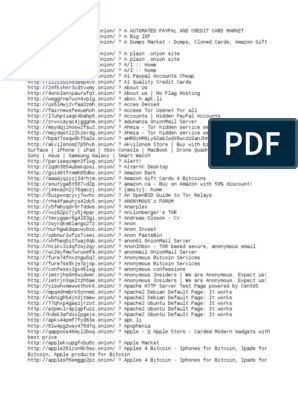
- Carding forums: Online spaces where individuals engage in discussions about carding; members may share tips, techniques, and even resources for obtaining credit card details.
- Marketplaces: Specific sites that facilitate the buying and selling of stolen information.
- Tools and software: Resources for conducting fraud, including methods for checking the validity of stolen card numbers.
Understanding the Risks
Engaging with carding deep web links can lead to severe consequences including:
- Legal repercussions: Participation in carding activities can result in criminal charges, leading to significant fines and imprisonment.
- Financial loss: Victims of carding often experience unauthorized transactions, which can damage credit ratings.
- Identity theft: Once personal information is compromised, it may be used for further fraudulent activities.
Protecting Yourself
To stay safe from the dangers of carding and similar activities, consider the following tips:
- Monitor your accounts: Regularly check bank statements and credit reports for unusual activity.
- Use strong passwords: Ensure that your online accounts have unique and complex passwords to minimize the risk of being hacked.
- Be cautious online: Avoid sharing personal information on unsecured platforms and be wary of unsolicited offers online.
Frequently Asked Questions
What is carding?
Carding is the process of purchasing items using stolen credit card information, often facilitated through online platforms in the deep web.
How can I recognize if I am a victim of carding?
Look for unexpected charges on your financial statements, alerts from your bank about suspicious activities, or any denied transactions.
- This is increasingly mitigated via forum and store based feedback systems as well as through strict site invitation and referral policies.
- Dark.fail offers a limited list of verified onion links, including unfiltered news sources, torrent sites and dark web marketplaces.
- You’re probably wondering how things like a PayPal account login or credit card details end up on the dark web.
- Price structures can vary significantly based on factors such as the type of data being sold (e.g., credit card with CVV), the country of origin, the quality of the data, and bulk purchase discounts.
How can I protect my personal information?
Utilize security measures such as two-factor authentication, avoid sharing sensitive information, and ensure your devices have up-to-date security software.
Conclusion
The deep web holds significant information that can pose both risks and opportunities. By understanding the nature of carding deep web links and the implications involved, individuals can better protect themselves and avoid becoming victims of fraud. Awareness is a powerful tool in the fight against cybercrime.