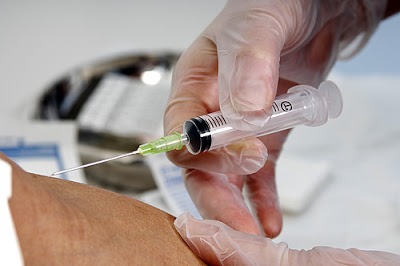
Unique ID: FRAM577 Caption: A close-up of an injection in the arm. Treatment. Patient services. Restrictions: NHS Photo Library - for use in NHS, local authority Social Care services and Department of Health material only Copyright: ©Crown Copyright
Strategically, too, they have a problem because the war on drugs’ rhetoric relies on creating and sustaining this stereotype of drug dealers as these sort of violent, homicidal maniacs that are out there to get your kids hooked. Your Walter White type, his story would have gone so differently had he been able to — instead of meeting up with all the cartel members and getting involved in the really seedy side of the drug market — if he’d just been able to jump online and produce his meth at home. The drugs go through fewer hands; you can have drug producers who will sell directly to their customers.
Ultimately, understanding Bitcoin’s role in the drugs market requires a balanced perspective that considers both its risks and benefits. In conclusion, Bitcoin’s role in the drugs market illustrates the complex intersection of technology and criminal activity. However, this anonymity is a double-edged sword; as authorities become more adept at tracking blockchain transactions, the safety that Bitcoin once offered may diminish. The reliance on technologies like blockchain adds another layer of complexity, raising questions about the future of both digital currency and drug trafficking.
- NADAC reflects the average price pharmacies pay to acquire medications based on voluntary surveys conducted by the Centers for Medicare and Medicaid Services (CMS).
- In this evolving landscape, manufacturers have begun using specialized wallets to conduct transactions in cryptocurrency.
- When the Silk Road marketplace first began, the creator and administrators instituted terms of service that prohibited the sale of anything whose purpose was to "harm or defraud".
- This scarcity can lead to long-term price appreciation, which means that individuals who hold Bitcoin could potentially increase their purchasing power over time.
- Moreover, just ten drugs account for 22% of Medicare Part D’s total spending, illustrating the concentrated spending on high-cost specific medicines.
As the cryptocurrency landscape continues to evolve, the intersection of Bitcoin with various illicit markets has garnered significant attention. One of the most concerning areas is the Bitcoin drugs market, which has raised questions about regulation, safety, and the impact of digital currencies on illegal activities. This article aims to shed light on how transactions are made within this market, the technologies involved, and the risks associated with it.
Moreover, collaboration between law enforcement and blockchain analysis firms enhances the effectiveness of these efforts. Law enforcement officials utilize blockchain intelligence to analyze these manufacturer wallets, scrutinizing transaction patterns and identifying links between various entities involved in the market. This capability is invaluable for law enforcement as they aim to dismantle drug networks operating on the dark web. Law enforcement and regulatory bodies are attempting to catch up, but the unique characteristics of cryptocurrency make it a challenging task. Moreover, the growth of this market segment has seen an increase in the number of vendors accepting Bitcoin, with new platforms continually emerging to facilitate these transactions.
Bitcoin Drugs Market
The Bitcoin drugs market refers to the buying and selling of illegal drugs facilitated by Bitcoin transactions. This market thrives primarily on dark web platforms, where vendors and buyers can interact anonymously. Here’s an overview of how it operates:
How the Market Operates
- Dark Web Platforms: Transactions often occur on hidden websites that require specific software, like Tor, to access. These platforms provide a degree of anonymity to both buyers and sellers.
- Cryptocurrency Transactions: Bitcoin is favored for its relative anonymity compared to traditional payment methods. Buyers are often required to set up a digital wallet and purchase Bitcoin before making transactions.
- Escrow Services: Many marketplaces implement escrow services to protect both parties. The buyer deposits Bitcoin into an escrow account, which is only released to the seller once the buyer confirms receipt of the goods.
Risks Involved
- Bitcoin’s deflationary nature and increasing purchasing power could offset rising drug costs and other expenses, emphasizing why some proponents see Bitcoin as a hedge against fiat inflation.
- The reliance on bitcoin ensures transactions remain pseudonymous, though blockchain analysis tools have increasingly been used to trace illicit activities.
- The DIMS study (discussed above) additionally asked users submitting samples for testing to report the price paid for the drug.
- These off‐line activities are indeed the very locations in which cryptomarket users themselves identify vulnerability to arrest 35.
Engaging in the Bitcoin drugs market is fraught with risks, including:
- Legal Consequences: Purchasing illegal drugs is a criminal offense in most jurisdictions. Buyers and sellers can face severe penalties if apprehended.
- Fraud and Scams: The anonymity of transactions can lead to fraudulent activities. Buyers risk paying for substances that may not exist or may not be delivered as promised.
- Safety Concerns: The quality and safety of drugs bought through these markets are highly unpredictable, increasing the chances of overdose or adverse reactions.
FAQs
1. Is using Bitcoin for drug purchases legal?
Using Bitcoin to purchase illegal drugs is illegal, and individuals can face charges depending on their country's laws.
2. Can Bitcoin transactions be traced?
While Bitcoin transactions are pseudonymous, they can still be traced through blockchain analysis, which can lead to the identification of users.
3. What should I do if I suspect someone is using Bitcoin for illegal activities?
If you suspect illegal activity, it’s advisable to report it to local authorities rather than becoming involved.
Conclusion
The intersection of Bitcoin and the drug market highlights the complexity of cryptocurrency's role in illegal activities. Understanding how the Bitcoin drugs market operates and the associated risks is vital for individuals to make informed decisions. While Bitcoin offers several advantages in terms of privacy, the potential legal repercussions and personal safety risks demand careful consideration.