In recent years, the intersection of cryptocurrency and the internet has created a new landscape for buying and selling, especially within the less regulated realms known as darknet markets. Among the various cryptocurrencies, Bitcoin stands out as the primary medium of exchange in these hidden marketplaces. Understanding how Bitcoin darknet markets operate is crucial for anyone interested in navigating this complex online space, whether out of curiosity or necessity.
Bitcoin itself remains resilient, but the loss of such a significant marketplace could lead to shifts in how users approach similar platforms in the future. Similar concerns were raised when Hackers Targeted a Bitcoin Wallet Holding Billions Swiped From Mt. Gox, underscoring the persistent threats in the crypto ecosystem. It’s a stark reminder of the inherent risks involved in these unregulated markets.” Abacus, like many darknet platforms, thrived on a delicate balance of trust and anonymity. However, the scale of Abacus’s dominance and its abrupt vanishing act have raised eyebrows across the cryptocurrency community.
Crypto’s early links to darknet marketplaces and illicit activity also contribute to stories like these to gain traction. TRM Labs provides blockchain analytics solutions to help law enforcement and national security agencies, financial institutions, and cryptocurrency businesses detect, investigate, and disrupt crypto-related fraud and financial crime. In contrast, activity across Western darknet marketplaces that rely on cryptocurrencies with visible public ledgers remained effectively flat at approximately USD 60 million. Consistent with previous years, this activity is overwhelmingly driven by Russian-language darknet marketplaces, which accounted for more than 90% of total darknet market (DNM)-related volume. In 2025, Venezuela’s cryptocurrency ecosystem was shaped by macroeconomic instability, sanctions pressure, and regulatory uncertainty — contributing to widespread reliance on stablecoins (particularly USDT) for everyday financial activity. These figures reflect TRM’s current estimates of illicit cryptocurrency volume based on the best available intelligence at the time of publication.
Understanding Bitcoin Darknet Markets
Bitcoin darknet markets are online platforms where users can buy and sell goods and services, often anonymously. These markets operate on the dark web, which requires specific software, such as Tor, to access. The anonymity afforded by both the dark web and Bitcoin transactions makes these platforms attractive to individuals seeking to evade government oversight or engage in illicit activities. However, it's important to recognize that not all transactions on these markets are illegal; some users turn to them for legitimate reasons, such as privacy concerns and the desire for decentralized commerce.
The Role of Bitcoin
At the heart of darknet markets is Bitcoin, which functions as a digital currency designed to operate independently of a central authority. Its decentralized nature provides users with a level of anonymity that traditional financial institutions cannot offer. When conducting transactions on these platforms, users convert their fiat currency into Bitcoin, allowing them to buy items without revealing their identity. This process involves using various digital wallets and exchanges to securely manage their holdings.
Types of Goods and Services Available
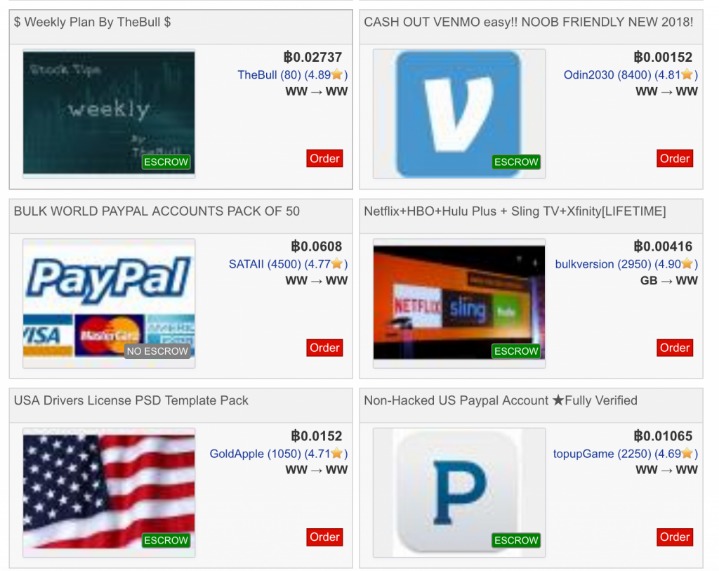
The range of goods and services offered on Bitcoin darknet markets is vast, encompassing everything from digital drugs and counterfeit products to hacking services and legal merchandise. While many items tend to lean towards the illegal side, some markets have developed categories that include privacy tools, digital content, and even legitimate services. This diversity reflects a niche economy that thrives on anonymity and unconventional transactions.
Risks and Dangers of Darknet Markets
While the allure of Bitcoin darknet markets may be enticing, inherent risks accompany their usage. Key concerns include potential scams, law enforcement monitoring, and health risks associated with unregulated products. Moreover, these markets can be rife with cybersecurity threats, with users' personal data and funds at risk. It is essential for anyone considering exploring these markets to remain informed and cautious about their actions.
Legal and Ethical Considerations
The legality of engaging in transactions on Bitcoin darknet markets varies by jurisdiction. Users risk facing legal consequences, including fines and imprisonment, depending on the nature of the goods or services involved. Additionally, the ethical implications of supporting markets that may promote harm or exploitation cannot be overlooked. As consumers, individuals should reflect on their values when deciding whether to participate in these markets.
- Alongside rising victim claims, the ransomware ecosystem also saw an increase in the number of active and newly emerging variants.
- My advice is to do your own research and make sure to take every precaution when using bitcoin to ensure your own privacy.
- They may be attributed to a residual amount of Bitcoins in an address or transactions between two business partners where no good is actually given in return, respectively.
- Its share of the Bitcoin-supporting Western dark market ecosystem also spiked to over 70%, following ASAP’s closure and the law enforcement seizure of Incognito Market in March 2024.
Conclusion
As the world becomes increasingly digital, understanding Bitcoin darknet markets and their implications is essential for navigating today’s interconnected landscape. From recognizing the anonymity of cryptocurrency transactions to being aware of the associated risks and ethical dilemmas, education plays a vital role in making informed choices. Whether one seeks to protect their privacy or simply explore the intricacies of these covert platforms, knowledge is the best tool to ensure safety and awareness in this shadowy corner of the internet.