The digital landscape is constantly evolving, and one of the most significant developments has been the rise of blockchain darknet markets. These hidden sections of the internet, accessible only via specialized software, function as open marketplaces that facilitate the trade of goods and services, often anonymously. Understanding how these platforms operate is crucial, not just for potential users but also for individuals looking to educate themselves about the risks and implications associated with them.
Not surprisingly, some analysts see TON sites as an element of a technologically advanced darknet platform, the core of which is the Gram cryptocurrency. Nevertheless, experts agree that no matter what the price rate of a particular cryptocurrency is, they will still be popular on the darknet. Undoubtedly, BTC helped to run the darknet economy of Silk Road, but marketplaces on the darknet have begun to close up shop over the last few years — and for good reason. Due to this, users receive some degree of security, since many sites in the darknet use TOR encryption protocols, which hide the identities of users and replace their IP addresses.
What is Blockchain?
- We also disclosed the names of these markets, because these names are well-known within the dark web community.
- Moreover, data scraped from the DWMs cannot assess the U2U transactions which account for the largest fraction of the total trading volume of the ecosystem13.
- Market status, URLs, and features change frequently due to law enforcement actions, exit scams, and operational issues.
- The whole process is integrated with the market and is done on a case-by-case basis.
At its core, blockchain is a decentralized digital ledger technology that ensures transparency and security. Each transaction is recorded in blocks and linked together in a chain, making it nearly impossible to alter past records. This technology underpins various cryptocurrencies and is one of the reasons why blockchain darknet markets have gained popularity. By utilizing blockchain, these markets can offer anonymity and security for both buyers and sellers.
How Do Darknet Markets Operate?
Blockchain darknet markets operate on the principle of anonymity. Users typically access these markets through the Tor network, which masks IP addresses and encrypts user data. Once inside, buyers can browse listings for various products, ranging from digital goods to physical items, many of which may be illegal in various jurisdictions.
Payment is primarily made using cryptocurrencies such as Bitcoin, which provides an extra layer of anonymity compared to traditional currencies. This transaction method is often preferred because it minimizes the risk of traceability.
Key Players in Blockchain Darknet Markets
Several actors play crucial roles in the ecosystem of blockchain darknet markets. Sellers often create listings for their products, buyers seek out desired items, and administrators maintain the market's operations. In addition to these primary participants, various services, like escrow services, are employed to facilitate transactions safely. Escrow services hold cryptocurrency payments until the buyer confirms the receipt of goods, adding an essential layer of trust.
Advantages of Blockchain Technology in Darknet Markets
The integration of blockchain technology into darknet markets brings several advantages:
- Anonymity: Transactions are harder to trace, allowing users to operate without revealing their identities.
- Security: The decentralized nature of blockchain helps prevent data tampering and hacking.
- Accessibility: Users can access products and services that may not be available in their local markets.
Risks and Concerns
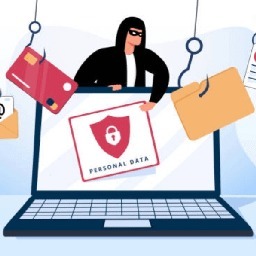
While blockchain darknet markets present opportunities for anonymity and trade, they come with significant risks. Law enforcement agencies are constantly monitoring these markets to identify illegal activities. Additionally, since these platforms are unregulated, users are at risk of encountering scams or receiving subpar products.
Moreover, the items available on these markets can include illegal drugs, weapons, and stolen data, raising ethical and legal concerns for those who may inadvertently engage in or support such activities.
Conclusion
Being informed about blockchain darknet markets is more important than ever. With the emergence of technology that prioritizes anonymity and decentralized transactions, understanding these platforms helps individuals recognize their implications, both positive and negative. By educating ourselves and others, we can navigate this complex digital landscape more safely and responsibly.